Liothyronine general information
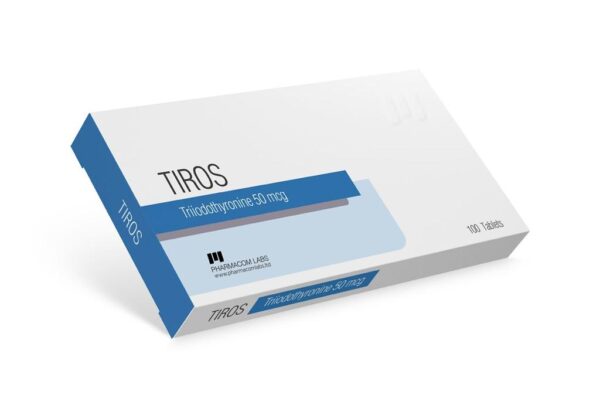
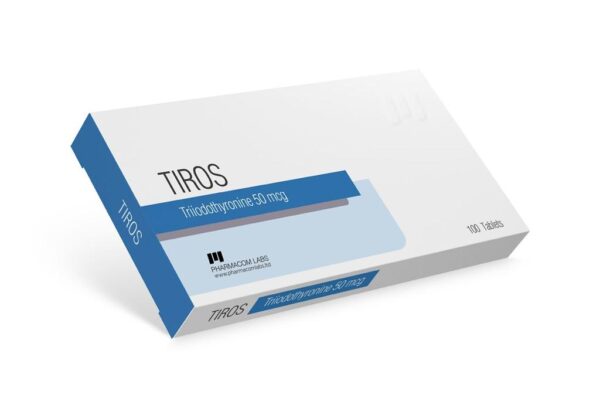
Liothyronine tablets 5 mcg (also known as Cytomel) help manage severe, chronic thyroid deficiency, also called hypothyroidism. This condition occurs when the thyroid gland does not produce enough hormone to regulate growth and metabolism.
Several factors can cause hypothyroidism. These include an underactive thyroid, an autoimmune condition called Hashimoto disease (where the immune system attacks the body), or a pituitary gland that does not produce enough thyroid-stimulating hormone.
Liothyronine tablets help relieve common symptoms of hypothyroidism (also known as myxoedema). These include tiredness, muscle weakness, cramps, sensitivity to cold, a slow heart rate, dry and flaky skin, hair loss, a deep or husky voice, and weight gain. Doctors also use them to treat myxoedema coma, a serious complication of the condition.
In addition, doctors use liothyronine to treat or prevent thyroid goitre. This condition causes the thyroid gland to enlarge, often due to iodine deficiency.
Doctors may also prescribe liothyronine alongside carbimazole to increase low thyroxine levels. This situation can occur during treatment for thyrotoxicosis, or an overactive thyroid. Conditions such as Graves disease (an autoimmune disorder) or thyroid inflammation can cause this imbalance.
Liothyronine sodium tablets also offer an alternative for patients who are allergic to desiccated thyroid or thyroid extracts derived from animal sources, such as pigs or cows.
How does Liothyronine work?
Liothyronine tablets 5 mcg contain liothyronine (also called triiodothyronine or T3), a synthetic form of naturally occurring thyroid hormone. Exogenous thyroid hormones primarily increase the metabolic rate of body tissues. The thyroid gland produces mainly thyroxine (levothyroxine or T4) and a small amount of liothyronine. In the blood, T4 is the major form, circulating bound to protein and remaining inactive.
When T4 reaches target tissues, the body converts it into T3, which is 3–4 times more potent than T4. T3 acts quickly by binding to specific receptors inside cells. This triggers proteins that regulate important processes, including body temperature, nutrient metabolism, and growth and development.
Liothyronine tablets 5 mcg are especially useful for treating severe or acute hypothyroid symptoms. Their effects occur rapidly, within a few hours, and are intensive but short-lived, typically lasting 24–48 hours.
What does Liothyronine contain?
Liothyronine tablets 5mcg contain the active ingredient liothyronine (L-triiodothyronine or LT3), a synthetic form of a natural thyroid hormone as the sodium salt, used to treat thyroid deficiency or hypothyroidism. Sigma Liothyronine also contains the inactive ingredients calcium sulfate dihydrate, corn starch, gelatin, magnesium stearate and mannitol.
Treating underactive thyroid (hypothyroidism) with Liothyronine
Liothyronine tablets 5 mcg contain triiodothyronine (T3), the more active form of naturally occurring thyroid hormone. They help manage severe, chronic thyroid deficiency, also called hypothyroidism, which occurs when the thyroid gland does not produce enough hormone to regulate growth and metabolism.
These tablets relieve symptoms of hypothyroidism (myxoedema), including tiredness, muscle weakness, cramps, sensitivity to cold, slow heart rate, dry or flaky skin, hair loss, a deep or husky voice, and weight gain. They also treat myxoedema coma and help prevent or reduce thyroid goitre, an enlarged thyroid gland.
Doctors may also prescribe liothyronine to increase low thyroxine levels. Low thyroxine can result from treatment for thyrotoxicosis, or an overactive thyroid caused by autoimmune conditions such as Graves’ disease, or inflammation of the thyroid gland.
The thyroid gland produces mainly thyroxine (levothyroxine or T4) and a small amount of liothyronine (T3). When T4 reaches the target tissue, the body converts it into T3. T3 binds to specific receptors inside cells and stimulates proteins that regulate important processes. These include body temperature, nutrient metabolism, and growth and development.
What are the side effects of Liothyronine?
Most of the side effects experienced with taking Liothyronine tablets 5mcg indicate that the dose is too high and may need adjusting. These include: headache, palpitations, sleep problems (insomnia), feeling nervous or irritable sweating, flushing, appetite changes, weight loss, muscle weakness/cramps, tremors.
When should Liothyronine not be used?
You should not use Liothyronine tablets 5mcg if you:
- are allergic to Liothyronine or any ingredients in Liothyronine sodium tablets
- are looking for a treatment for obesity or to help you lose weight; this is not a weight loss product
- are pregnant, planning to become pregnant or breast-feeding
- have a history of chest pain, heart attack, heart blood vessel problems, or other heart problems, particularly in the elderly
- have adrenal gland problems
- are a diabetic taking antidiabetics or insulin, without discussion with your doctor, as Liothyronine tablets may affect your glucose tolerance
- are taking other medications that may interact with Liothyronine tablets, such as anticonvulsants like phenytoin and carbamazepin, cardiac glycosides like digoxin, cholesterol-lowing drugs containing cholestyramine, tricyclic antidepressants like amitriptyline, anticoagulants like warfarin, oral contraceptives containing oestrogen, insulin or oral hypoglycemic for diabetes
What medications interact with Liothyronine?
Several medications interact with Liothyronine tablets 5mcg and should either not be taken while you are taking Liothyronine or only after discussion and instruction from your doctor:
- Drugs that cause a serious reaction with Liothyronine: tricyclic antidepressants like amitriptyline, anticoagulants like warfarin, cardiac glycosides like digoxin
- Drugs that affect Liothyronine: cholesterol-lowing drugs containing cholestyramine, anticonvulsants like phenytoin and carbamazepin, oral contraceptives containing oestrogen
- Drugs that are affected by Liothyronine: insulin or oral hypoglycemic for diabetes
How should Liothyronine be taken?
You should take your Liothyronine tablets 5mcg with a glass of water with or without food. The dose you take and how often depends on your condition and should be as recommended by your doctor; usually every 8 hours, or 2-3 times a day, and your dose may be increased after the first week. You may need to take your Liothyronine tablets 5mcg for a few weeks before you see an improvement and you should continue to take your Liothyronine tablets 5mcg for as long as recommended by your doctor, which may be for life.
How long should you take Liothyronine?
You may need to take your Liothyronine tablets 5mcg for a few weeks before you see an improvement and you should continue to take your Liothyronine tablets 5mcg for as long as recommended by your doctor, which may be for life
Missed dose of Liothyronine
If you miss a dose of Liothyronine tablets 5mcg take it as soon as you remember, unless it is time to take the next dose, then skip the missed dose. Do not take a double dose.
How should Liothyronine be stored?
You should store your Liothyronine tablets 5mcg below 25°C in a cool dry place.





Reviews
Clear filtersThere are no reviews yet.